
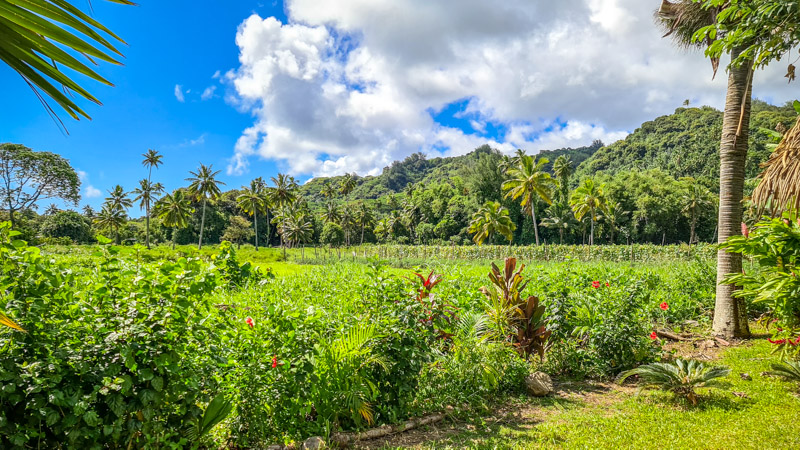
Navigating the energy challenge: a smart approach
Energy is not only expensive but also a key factor driving the cost of living higher, impacting everything from transport to construction, and the general upkeep of our homes.
The Cook Islands, with its unique climate, faces the dual challenge of needing energy for cooling purposes while also striving for sustainable living. Fortunately, there are many innovative options that harmonize with our environment, rather than work against it. These options span design, materials, and technology, each playing a pivotal role in energy conservation and cost reduction.
Design: The traditional approach of transplanting standard house designs to the Cook Islands falls short due to the energy-intensive needs for ventilation and air conditioning. A tailored architectural strategy is essential for financial savings on energy bills and for achieving comfort. Key design principles that foster energy efficiency include thoughtful site layout and orientation, leveraging the stack effect for enhanced wind movement, creating ample shade, incorporating heat-control systems such as insulation, selecting appropriate colours, and employing landscaping techniques that contribute to passive solar cooling and heating. These design considerations need not be costly; with skilled planning, they can deliver significant energy savings and reduce power bills over the building's lifespan.
Materials: The choice of building materials is crucial. Heavy materials like stone, concrete, and blocks possess the ability to absorb heat during the day and release it slowly at night, helping to maintain a steady indoor temperature. Conversely, lightweight materials such as steel cladding and single-pane glass can act counterproductively by allowing heat penetration and radiating warmth indoors, akin to a heater.
Technology: Incorporating sustainable energy systems at home, such as solar, wind, and wave power, is an effective way to tap into renewable resources. Advancements in glass technology exemplify how innovation can aid in sustainable design — for instance, double-glazed windows filled with argon gas and enhanced with nanotechnology can significantly influence a building's thermal efficiency. In warmer climates this technology can be adapted to block solar gain and facilitate heat escape, promoting a cooler indoor environment.
The integration of these elements from the design phase is crucial for energy efficiency. Opting for cost-saving measures during construction might seem advantageous initially, but such decisions can lead to higher energy expenses and discomfort in the long run. By prioritising energy efficiency through strategic design, material selection, and technological integration, homeowners in the Cook Islands can enjoy comfortable, sustainable living spaces that are kinder to the wallet and the planet.
Jeff Tikitau Elite Management, dedicated to sustainable construction and operation practices in the Cook Islands, not only offers eco-friendly design but also a suite of one-stop-shop services. These include feasibility studies, development and project management, cost planning and management, and architectural design. Their approach integrates materials and technologies suitable for the local climate to minimise environmental impact and energy costs. If you are looking to build or renovate your property with sustainability in mind, contact the team at JTEM today.
Originally published in Cook Islands News, 11 May 2024.
Interested in Cook Islands property?
Whether you are exploring, buying, selling, investing or managing — our team is here to help.
Talk to Our Team